
Understanding Foreclosure Processes for Investors

The real estate market can be a goldmine for savvy investors, especially when it comes to foreclosures. Understanding the foreclosure process is crucial for anyone looking to capitalize on these opportunities. In this blog post, we will explore the ins and outs of foreclosure, the steps involved, and how investors can navigate this complex landscape effectively.

What is Foreclosure?
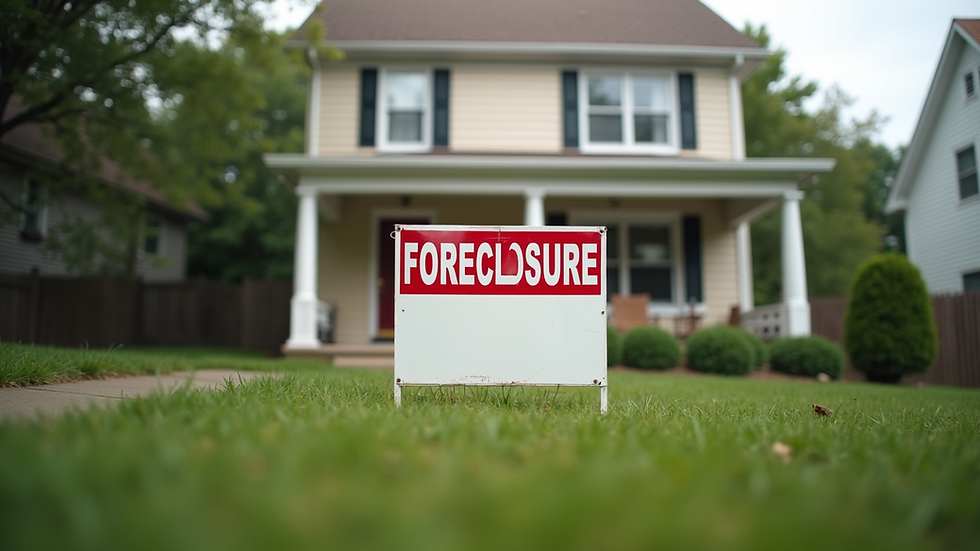
Foreclosure is a legal process that allows lenders to recover the balance of a loan from a borrower who has stopped making payments. The process typically involves the sale of the property to pay off the outstanding debt. For investors, foreclosures represent a chance to acquire properties at a lower price, but they come with their own set of challenges.
Types of Foreclosures
Judicial Foreclosure: This type occurs through the court system. The lender files a lawsuit against the borrower, and if the court rules in favor of the lender, the property is sold at auction.
Non-Judicial Foreclosure: This process does not involve the courts. Instead, the lender follows a set of procedures outlined in the mortgage agreement. This method is generally quicker and less expensive.
Strict Foreclosure: This is less common and occurs when the lender seeks to take possession of the property without selling it. The borrower has a limited time to pay off the debt before the lender takes ownership.
The Foreclosure Process
Understanding the foreclosure process is essential for investors. Here’s a step-by-step breakdown:
1. Missed Payments
The process begins when a borrower misses one or more mortgage payments. Lenders typically allow a grace period, but after a certain point, they will start the foreclosure process.
2. Notice of Default
Once the borrower is significantly behind on payments (usually 90 days), the lender will issue a Notice of Default (NOD). This document informs the borrower of their delinquency and the lender's intention to initiate foreclosure proceedings.
3. Pre-Foreclosure
During this phase, the borrower has an opportunity to rectify the situation. They can negotiate with the lender, sell the property, or seek alternatives like a loan modification. This period can last anywhere from a few weeks to several months.
4. Foreclosure Auction
If the borrower does not resolve the issue, the property will be scheduled for auction. The lender will set a date, and the property will be sold to the highest bidder. Investors often attend these auctions to acquire properties at a discount.
5. Post-Foreclosure
After the auction, if the property does not sell, it becomes Real Estate Owned (REO) and is taken back by the lender. At this point, the lender will typically list the property with a real estate agent to sell it on the open market.
Why Invest in Foreclosures?
Investing in foreclosures can be lucrative for several reasons:
Lower Purchase Prices: Foreclosed properties are often sold below market value, allowing investors to buy at a discount.
Potential for Profit: With the right renovations and improvements, investors can significantly increase the property's value.
Diverse Opportunities: Foreclosures can range from single-family homes to commercial properties, providing various investment options.
Risks Involved in Foreclosure Investments
While there are many benefits to investing in foreclosures, it is essential to be aware of the risks:
Property Condition: Foreclosed homes are often sold "as-is," meaning they may require significant repairs or renovations.
Legal Complications: The foreclosure process can involve complex legal issues, including liens or disputes over property ownership.
Market Fluctuations: Real estate markets can be unpredictable, and property values may decline after purchase.
How to Navigate the Foreclosure Process
Research and Due Diligence
Before diving into foreclosure investments, conduct thorough research. Here are some steps to consider:
Understand Local Laws: Foreclosure laws vary by state, so familiarize yourself with the regulations in your area.
Analyze Market Trends: Study the local real estate market to identify areas with potential for growth.
Inspect Properties: If possible, visit properties before bidding to assess their condition and estimate repair costs.
Financing Options
Investors should explore various financing options for purchasing foreclosures:
Cash Purchases: Buying with cash can give you an edge at auctions, as sellers often prefer quick transactions.
Hard Money Loans: These short-term loans can be useful for investors who need quick access to funds.
Traditional Mortgages: While more time-consuming, conventional loans can be an option for some investors.
Building a Network
Networking is crucial in the foreclosure market. Connect with:
Real Estate Agents: Agents specializing in foreclosures can provide valuable insights and access to listings.
Attorneys: A real estate attorney can help navigate legal complexities and ensure compliance with local laws.
Other Investors: Joining local real estate investment groups can provide support and share knowledge.
Case Study: Successful Foreclosure Investment
To illustrate the potential of foreclosure investments, consider the case of an investor who purchased a foreclosed property in a growing neighborhood.
Property Details
Location: A suburban area with increasing demand for housing.
Purchase Price: $150,000 at auction.
Condition: The property required cosmetic repairs but was structurally sound.
Investment Strategy
The investor:
Renovated the Property: Focused on kitchen and bathroom upgrades, which are known to yield high returns.
Marketed Effectively: Listed the property at a competitive price, highlighting its updated features.
Sold Quickly: Within three months, the property sold for $220,000, netting a profit of $70,000 after expenses.
Conclusion
Investing in foreclosures can be a rewarding venture for those willing to navigate the complexities of the process. By understanding the steps involved, conducting thorough research, and building a solid network, investors can turn distressed properties into profitable assets.
As you consider entering the foreclosure market, remember to weigh the risks and rewards carefully. With the right approach, you can unlock significant opportunities in this unique segment of real estate.
Next Steps
If you're interested in exploring foreclosure investments, start by researching local listings and attending foreclosure auctions. Equip yourself with knowledge and connect with other investors to enhance your chances of success. Happy investing!

Comments