
Top Tips for Investing in Foreclosures

Investing in foreclosures can be a lucrative opportunity for those looking to enter the real estate market. However, it requires careful planning, research, and a clear understanding of the process. In this blog post, we will explore essential tips for successfully navigating the world of foreclosure investments. Whether you are a seasoned investor or a beginner, these insights will help you make informed decisions and maximize your returns.
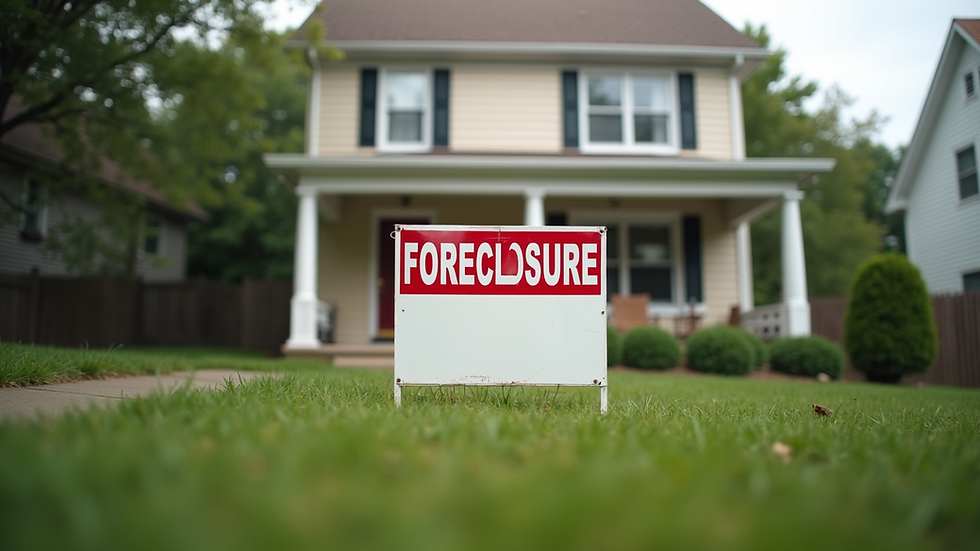
Understanding Foreclosures
Before diving into the tips, it’s crucial to understand what a foreclosure is. A foreclosure occurs when a homeowner fails to make mortgage payments, leading the lender to reclaim the property. This process can result in properties being sold at a significantly reduced price, making them attractive to investors.
Types of Foreclosures
Judicial Foreclosure: This type involves court proceedings. The lender must file a lawsuit to obtain the right to sell the property.
Non-Judicial Foreclosure: This process does not involve the courts and is typically faster. It follows the terms outlined in the mortgage agreement.
Short Sales: In a short sale, the lender agrees to accept less than the amount owed on the mortgage. This can be a lengthy process but may offer a good deal.
Research the Market
Investing in foreclosures requires a solid understanding of the local real estate market. Here are some steps to conduct effective market research:
Analyze Property Values
Comparative Market Analysis (CMA): Look at similar properties in the area to determine fair market value.
Neighborhood Trends: Investigate whether property values are increasing or decreasing in the neighborhood.
Understand Local Laws
Each state has different laws regarding foreclosures. Familiarize yourself with:
Redemption Periods: Some states allow homeowners to reclaim their property after foreclosure.
Disclosure Requirements: Know what sellers must disclose about the property.
Financing Your Investment
Securing financing for a foreclosure can be different from traditional home purchases. Here are some options to consider:
Cash Offers
Many foreclosure properties require quick transactions. Having cash on hand can make your offer more attractive to sellers.
Traditional Mortgages
If you plan to finance your purchase, ensure you have pre-approval from a lender. This shows sellers you are serious and can close quickly.
Hard Money Loans
These loans are typically easier to obtain and can be a good option for investors looking to flip properties quickly. However, they often come with higher interest rates.
Inspect the Property
Before making an offer, it’s essential to conduct a thorough inspection of the property. Here’s what to look for:
Structural Issues
Foundation Problems: Look for cracks or signs of settling.
Roof Condition: Check for leaks or missing shingles.
Systems and Appliances
HVAC Systems: Ensure heating and cooling systems are functional.
Plumbing and Electrical: Inspect for any issues that could lead to costly repairs.
Make a Competitive Offer
When you find a property that meets your criteria, it’s time to make an offer. Here are some tips for crafting a competitive bid:
Research Comparable Sales
Use your market research to determine a fair offer price based on recent sales of similar properties.
Be Prepared to Negotiate
Sellers may have multiple offers, so be ready to negotiate. Consider including contingencies that protect your interests.
Plan for Renovations
Many foreclosures require repairs or renovations. Here’s how to plan effectively:
Budget for Repairs
Create a detailed budget that includes:
Cosmetic Updates: Painting, flooring, and landscaping.
Major Repairs: Roof replacement, plumbing, and electrical work.
Hire Professionals
Consider hiring contractors for significant renovations. Obtain multiple quotes to ensure you get the best price.
Understand the Risks
Investing in foreclosures comes with risks. Here are some common pitfalls to avoid:
Hidden Costs
Be aware of additional costs such as:
Property Taxes: Ensure you factor in any outstanding taxes.
Homeowners Association Fees: If applicable, these can add to your expenses.
Market Fluctuations
Real estate markets can be unpredictable. Stay informed about local trends to mitigate risks.
Build a Network
Having a strong network can significantly benefit your foreclosure investment journey. Here’s how to build connections:
Connect with Real Estate Agents
Find agents who specialize in foreclosures. They can provide valuable insights and help you find properties.
Join Real Estate Investment Groups
Networking with other investors can lead to partnerships and shared knowledge.
Stay Informed
The real estate market is constantly changing. Stay updated on trends, laws, and best practices by:
Reading Industry Publications: Subscribe to real estate magazines and websites.
Attending Workshops and Seminars: These can provide valuable information and networking opportunities.
Conclusion
Investing in foreclosures can be a rewarding venture if approached with the right knowledge and strategy. By understanding the market, securing financing, and being prepared for renovations, you can turn these properties into profitable investments. Remember to conduct thorough research, build a strong network, and stay informed about market trends. With these tips in mind, you are well on your way to making successful foreclosure investments.
Take the first step today by researching your local foreclosure listings and connecting with real estate professionals. Your next investment opportunity could be just around the corner!


Comments