
Maximizing Returns: Foreclosure Investment Strategies

Investing in foreclosures can be a lucrative venture, but it requires careful planning and strategy. With the right approach, investors can maximize their returns while minimizing risks. This blog post will explore effective foreclosure investment strategies, providing practical insights and examples to help you navigate this complex market.

Understanding Foreclosure Investments
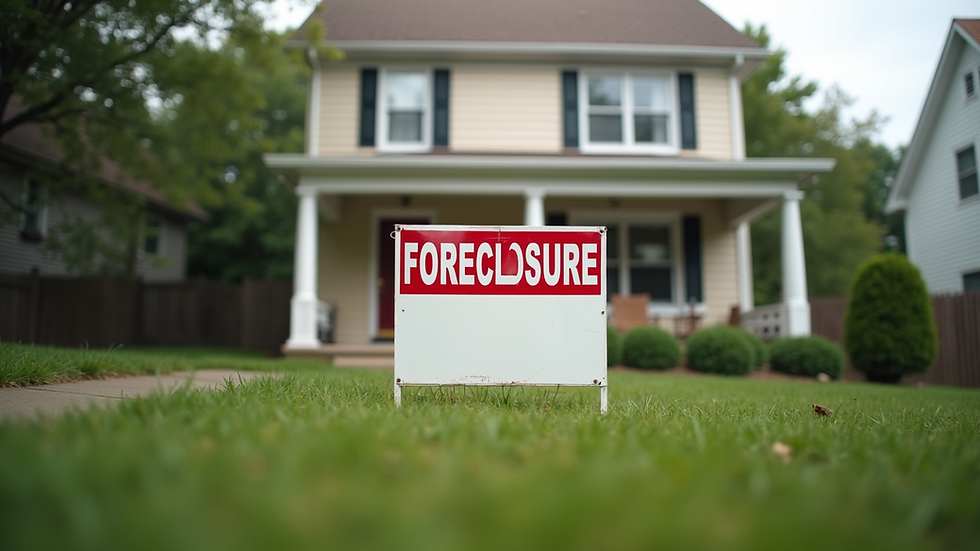
Foreclosure occurs when a property owner fails to make mortgage payments, leading the lender to reclaim the property. This process can create opportunities for investors to purchase properties at a fraction of their market value. However, understanding the foreclosure process is crucial for making informed investment decisions.
Types of Foreclosures
Judicial Foreclosure: This type involves court proceedings, where the lender must file a lawsuit to reclaim the property. Investors can bid on properties at public auctions.
Non-Judicial Foreclosure: This process does not involve court action and typically allows for a quicker sale. Properties are often sold through a trustee sale.
Short Sales: In a short sale, the lender agrees to accept less than the amount owed on the mortgage. This can be a good opportunity for investors to negotiate a lower purchase price.
Benefits of Investing in Foreclosures
Lower Purchase Prices: Foreclosed properties are often sold below market value, allowing investors to acquire assets at a discount.
Potential for High Returns: With the right renovations and management, investors can significantly increase the property's value.
Less Competition: Many traditional buyers shy away from foreclosures due to the complexities involved, giving savvy investors an edge.
Researching the Market
Before diving into foreclosure investments, conducting thorough market research is essential. Understanding local real estate trends, property values, and neighborhood dynamics can help you identify the best opportunities.
Key Factors to Consider
Location: Properties in desirable neighborhoods tend to appreciate faster. Look for areas with good schools, amenities, and low crime rates.
Market Trends: Analyze historical data to understand price trends and demand in the area. Websites like Zillow and Realtor.com can provide valuable insights.
Property Condition: Assess the condition of the property. Some foreclosures may require extensive repairs, which can impact your overall investment.
Financing Your Foreclosure Investment
Securing financing for foreclosure investments can be different from traditional home purchases. Here are some options to consider:
Cash Purchases
Buying a property outright with cash can give you a competitive advantage. Sellers may prefer cash offers as they close faster and involve fewer contingencies.
Hard Money Loans
These short-term loans are secured by the property itself and are often used by investors to quickly finance a purchase. While interest rates are higher, they can be a viable option for quick acquisitions.
Traditional Mortgages
Some lenders offer mortgages specifically for investment properties. However, these may require a larger down payment and stricter credit requirements.
Bidding Strategies at Auctions
When bidding on foreclosures at auctions, having a solid strategy is crucial. Here are some tips to help you succeed:
Set a Budget
Determine your maximum bid before the auction begins. Stick to this budget to avoid overextending yourself.
Do Your Homework
Research the property beforehand, including its market value and any liens or outstanding debts. This information can help you make informed bidding decisions.
Stay Calm and Confident
Auctions can be competitive and fast-paced. Maintain your composure and avoid getting caught up in bidding wars that can drive prices beyond your budget.
Renovating and Managing Foreclosed Properties
Once you've acquired a foreclosure, effective renovation and management are key to maximizing your returns.
Renovation Tips
Focus on High-Impact Areas: Kitchens and bathrooms often yield the highest returns on investment. Prioritize renovations in these areas.
Budget Wisely: Create a detailed renovation budget and stick to it. Unexpected costs can quickly eat into your profits.
Hire Professionals: While DIY projects can save money, hiring experienced contractors can ensure quality work and timely completion.
Property Management
If you plan to rent out the property, effective management is essential. Consider hiring a property management company to handle tenant relations, maintenance, and rent collection.
Selling Your Foreclosure Investment
When it comes time to sell your investment, having a clear strategy can help you maximize your returns.
Timing the Market
Monitor market conditions to determine the best time to sell. Selling during a seller's market can lead to higher offers and quicker sales.
Marketing Your Property
Utilize online listings, social media, and local real estate agents to market your property effectively. High-quality photos and detailed descriptions can attract potential buyers.
Pricing Strategically
Set a competitive price based on your research and the current market conditions. Be open to negotiations, but know your bottom line.
Conclusion
Investing in foreclosures can be a rewarding venture if approached with the right strategies. By understanding the foreclosure process, conducting thorough research, securing appropriate financing, and effectively managing renovations and sales, you can maximize your returns.
Take the first step by exploring local foreclosure listings and assessing potential properties. With diligence and a strategic mindset, you can turn foreclosure investments into profitable opportunities.

Comments